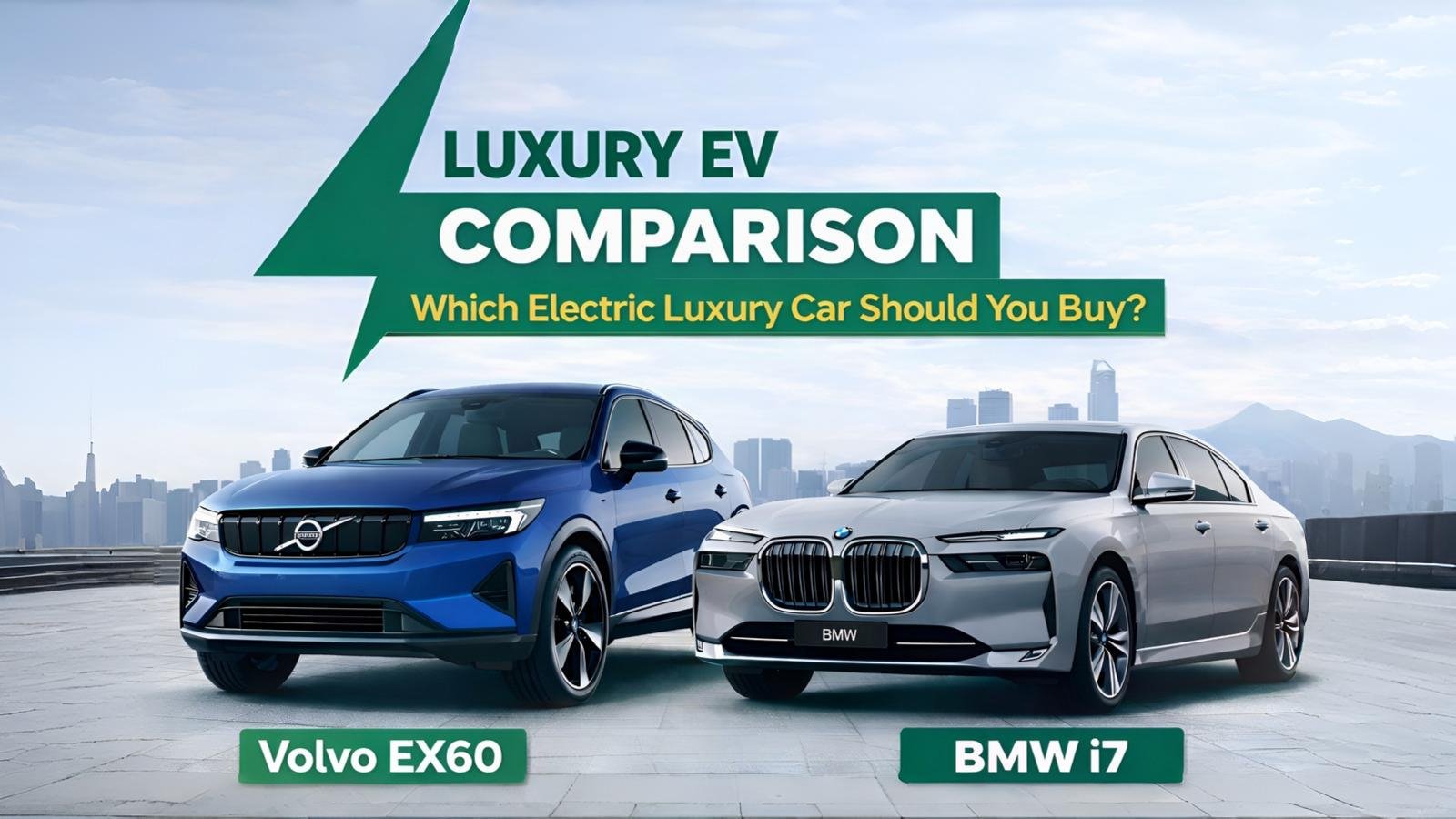
Electric vehicles are rapidly evolving across different segments in India and globally — from practical electric SUVs to ultra-luxury electric sedans. The Volvo EX60 and BMW i7 represent two very different approaches to premium EV ownership.
The Volvo EX60 is positioned as a next-generation midsize electric SUV focused on long range, fast charging, and everyday usability, while the BMW i7 targets buyers looking for flagship luxury, cutting-edge technology, and executive-class comfort.
This comparison breaks down their pricing direction, performance, range, charging, space, comfort, and overall ownership appeal to help you decide which electric vehicle fits your needs best.
Price & Variants
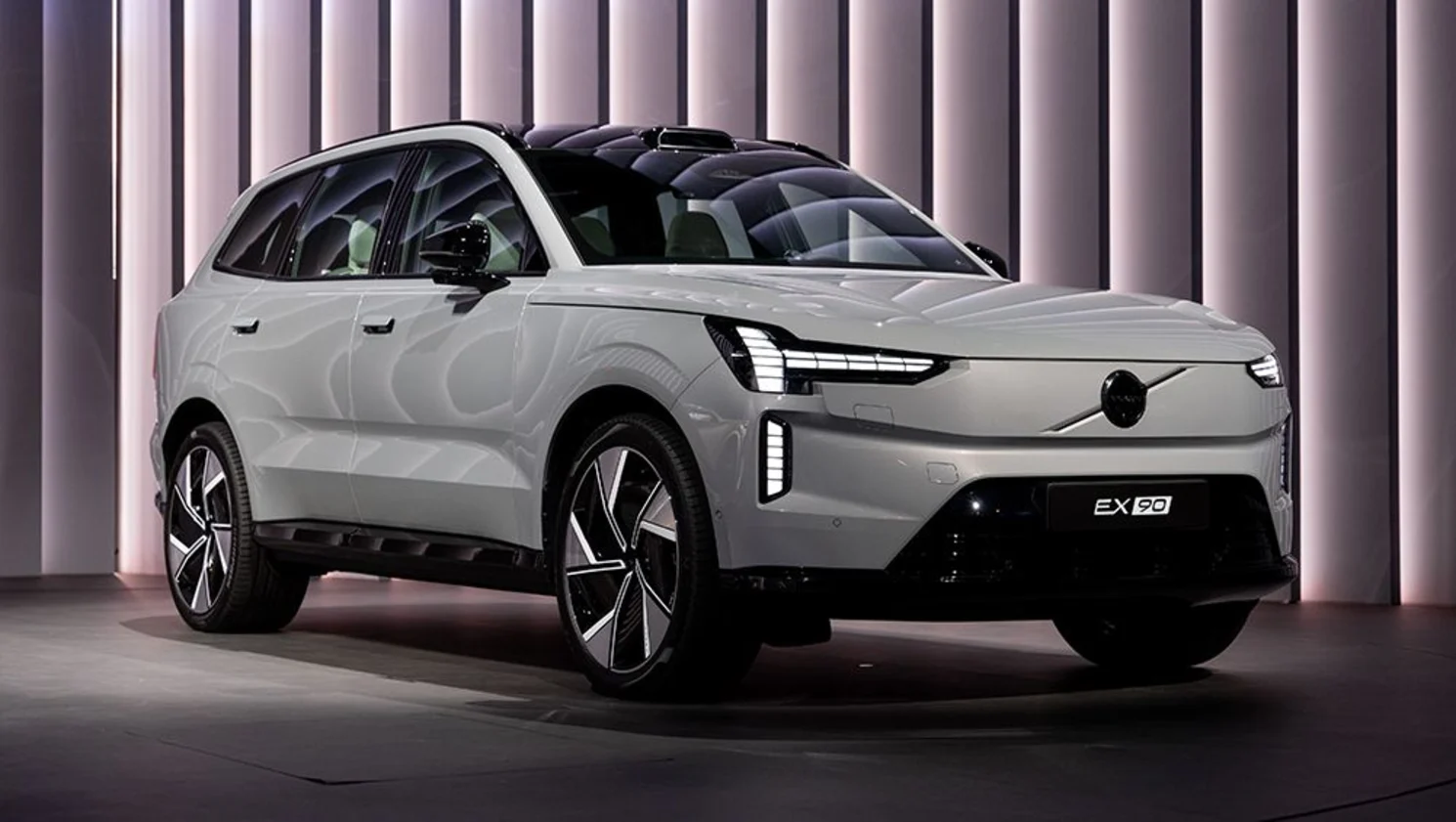
The Volvo EX60 is expected to sit in the premium SUV segment with multiple drivetrain configurations, including rear-wheel drive and all-wheel drive options. Its positioning suggests it will be considerably more accessible than ultra-luxury EV sedans, making it suitable for buyers upgrading from mainstream premium vehicles
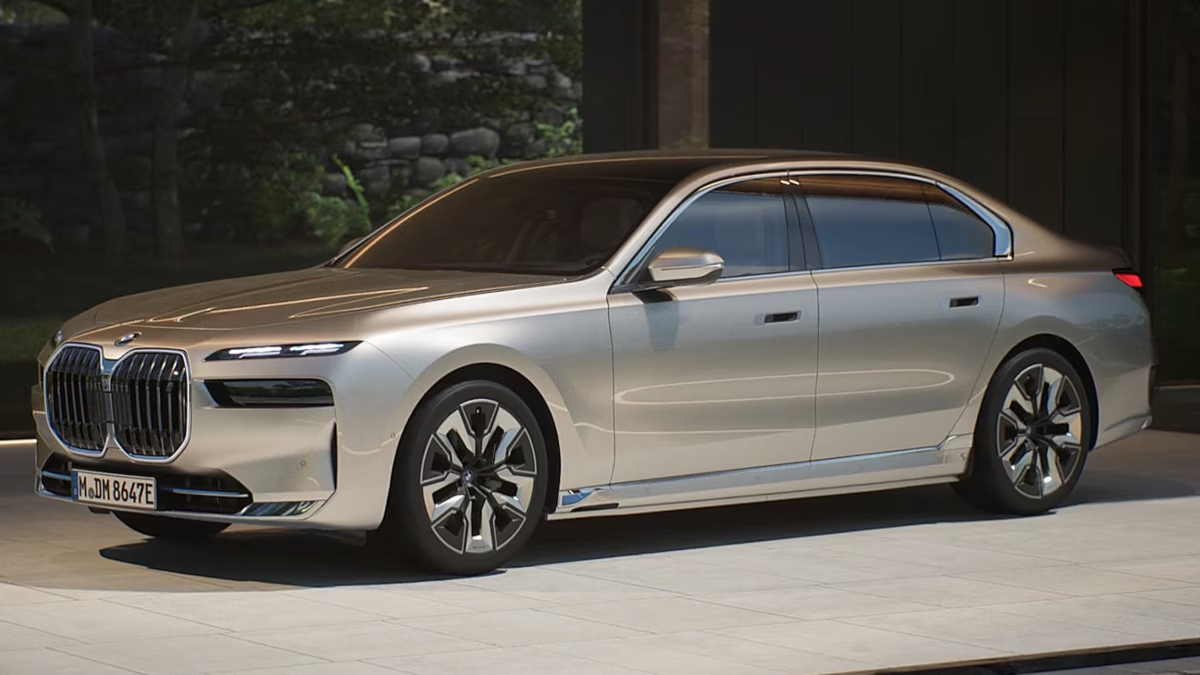
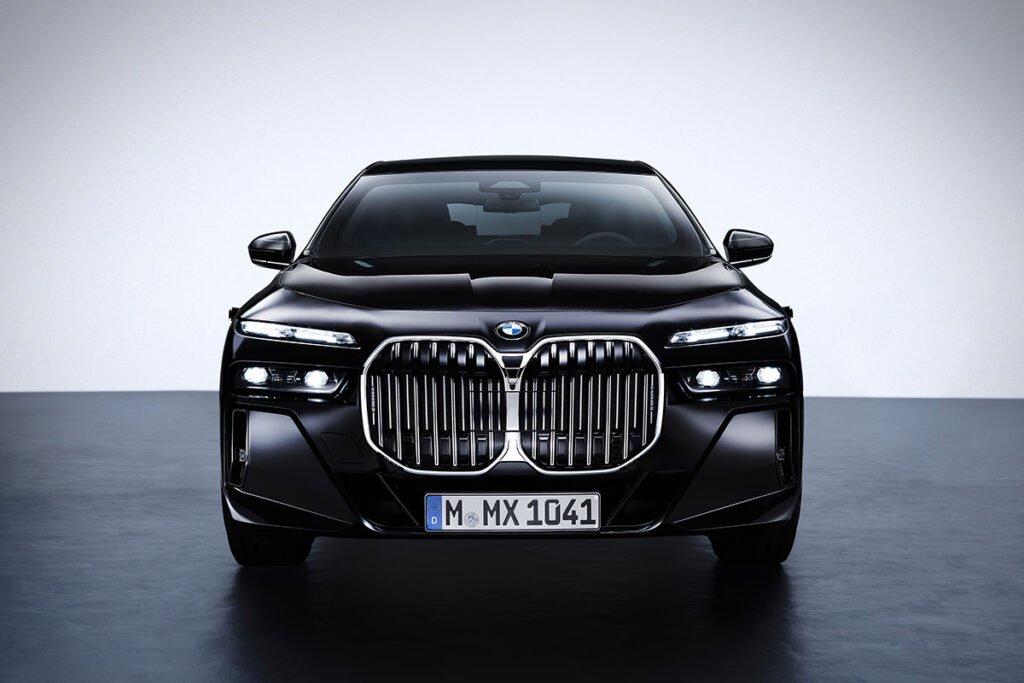
The BMW i7, on the other hand, is a flagship electric sedan in India and is available in two primary trims: eDrive50 M Sport and xDrive60 M Sport. Pricing starts at around ₹2.05 crore (ex-showroom) and can reach approximately ₹2.7 crore depending on variant and options, placing it firmly in the ultra-luxury category
Source: cloudinary.com
Source: financialexpressdigital.com
| Aspect | Volvo EX60 | BMW i7 |
|---|---|---|
|
Vehicle Type |
Mid-size Electric SUV |
Full-size Luxury Electric Sedan |
|
Number of Variants |
3 (P6 RWD, P10 AWD, P12 AWD) |
3 (eDrive50, xDrive60, M70 xDrive) |
|
Drive Options |
RWD / AWD |
RWD (eDrive50) / AWD (xDrive60) |
|
Market Position |
Premium EV SUV |
Flagship Luxury EV |
|
Starting Price (India) |
Yet to be announced |
~₹2.05 Crore (ex-showroom) |
Powertrain & Performance
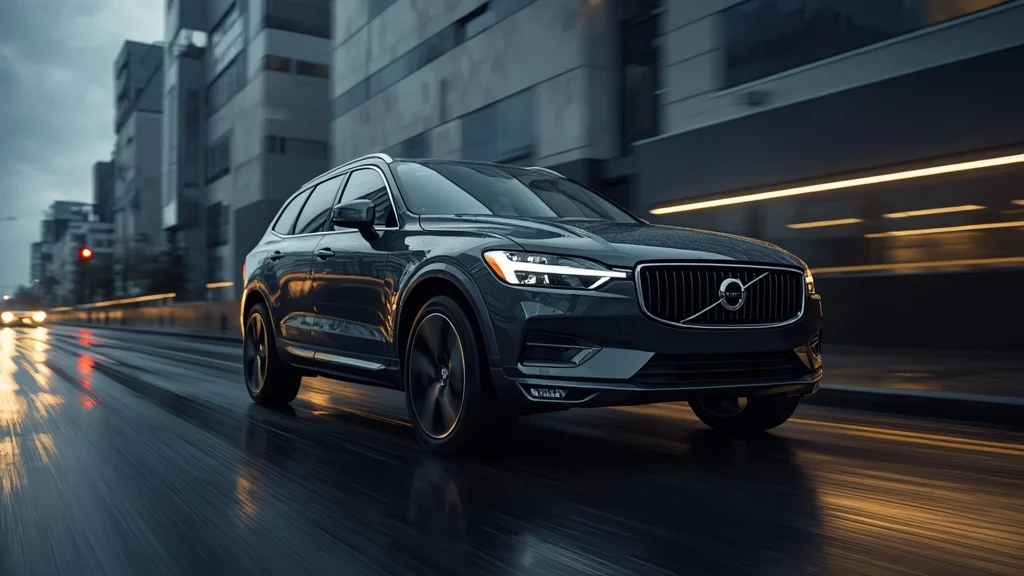
The Volvo EX60 is built on Volvo’s new SPA3 electric-only platform, with the battery integrated directly into the vehicle structure. This improves weight distribution, efficiency, and overall driving dynamics. Buyers can choose between efficiency-focused rear-wheel drive or more performance-oriented all-wheel drive setups
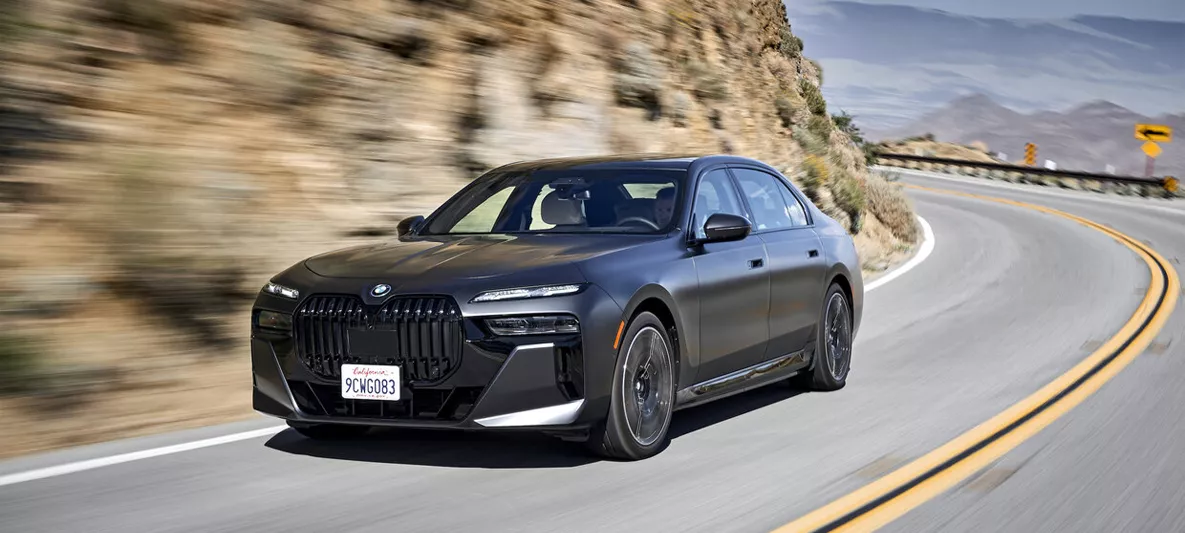
The BMW i7 uses a large 101.7 kWh battery across both variants. The eDrive50 delivers smooth rear-wheel-drive performance, while the xDrive60 adds all-wheel drive and stronger acceleration, making it one of the quickest luxury electric sedans available. Both variants emphasize refined power delivery and high-speed cruising comfort
Source: carwikihub.com
Source: bmw.com
| Aspect | Volvo EX60 | BMW i7 |
|---|---|---|
|
Motor Type |
Single / Dual electric motors |
Single / Dual electric motors |
|
Max Power |
~374 – 680 hp |
~449 – 650 hp |
|
Max Torque |
~480 – 790 Nm |
~650 – 1,015 Nm |
|
0–100 km/h |
~5.9 s – 3.9 s |
~5.7 s – 3.7 s |
|
Drive Type |
RWD (base), AWD (higher variants) |
RWD (base), AWD (higher variants) |
Range & Charging
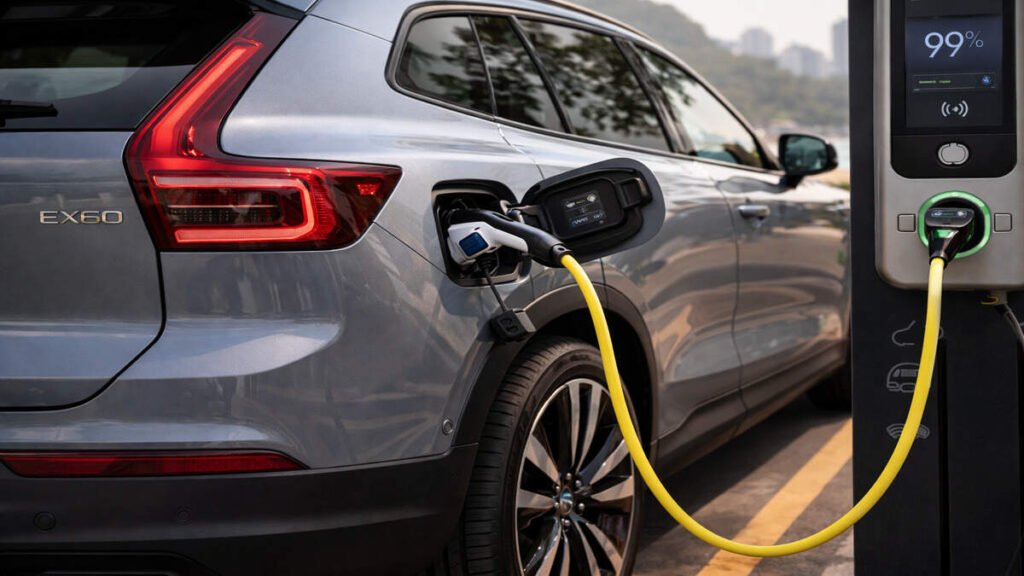
Range is one of the biggest highlights of the Volvo EX60. It offers a WLTP-certified driving range of up to 810 km, making it the longest-range electric vehicle ever announced by Volvo. This significantly reduces charging anxiety and makes it practical for long highway journeys as well as daily city driving
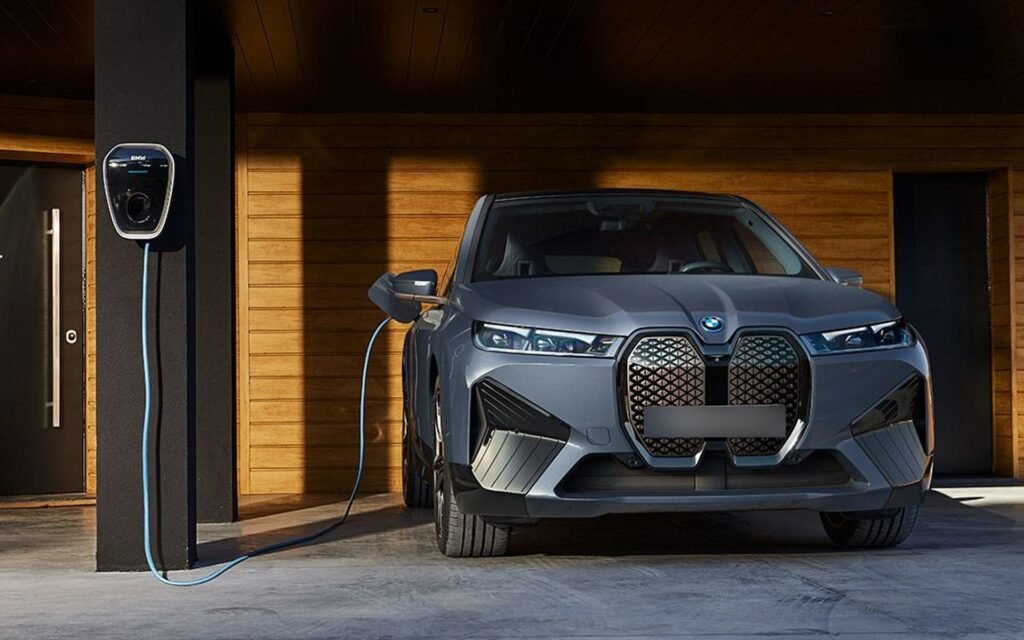
The BMW i7 delivers a WLTP range of around 603 km (eDrive50) and up to 625 km (xDrive60). While lower than the EX60, this is still strong for a large luxury sedan and suitable for inter-city travel
Charging capabilities also differ:
Volvo EX60 supports ultra-fast DC charging, allowing 10%–80% in under 20 minutes under optimal conditions.
BMW i7 supports DC fast charging with 10%–80% in roughly 30–35 minutes, along with standard AC home charging.
Source: vheca.com
Source: vheca.com
| Aspect | Volvo EX60 | BMW i7 |
|---|---|---|
|
Battery Capacity |
~83 – 117 kWh |
101.7 kWh |
|
Certified Range (WLTP) |
~620 – 810 km |
~560 – 625 km |
|
Real-World City Range |
~450 – 690 km (est.) |
~500 – 580 km (est.) |
|
Charging Focus |
Next-gen EV platform, fast-charging ready |
High-speed DC fast charging |
Interior & Design
Source: hearstapps.com
Source: hearstapps.com
| Aspect | Volvo EX60 | BMW i7 |
|---|---|---|
|
Body Style |
SUV with higher seating & flexible space |
Long-wheelbase luxury sedan |
|
Interior Theme |
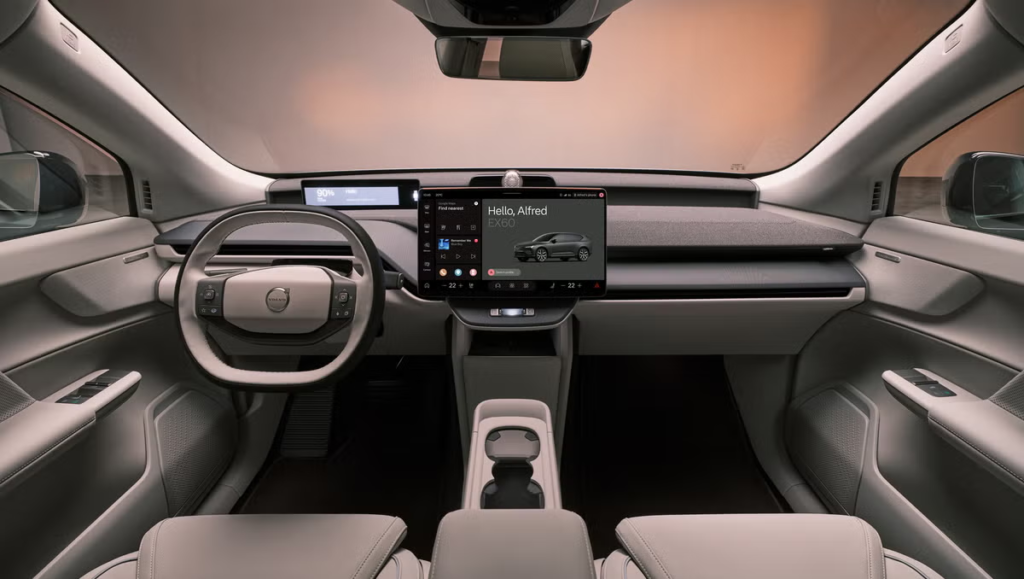
Scandinavian minimalism, sustainable materials |
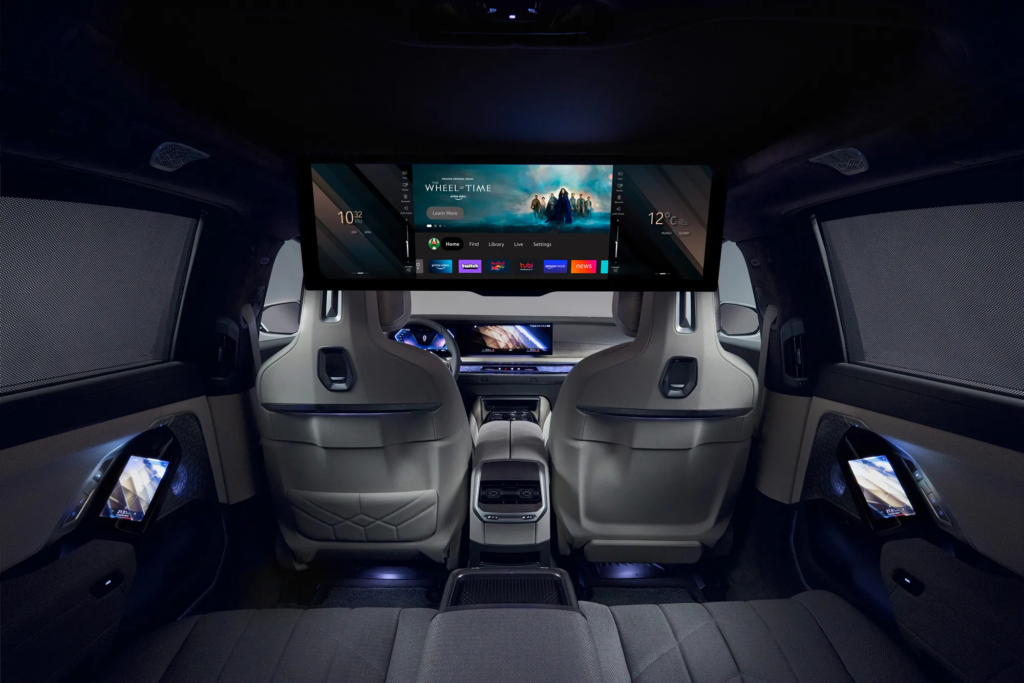
Ultra-luxury with digital & rear-seat focus |
|
Seating Comfort |
Spacious, family-oriented |
Executive, chauffeur-driven comfort |
Ownership & Positioning
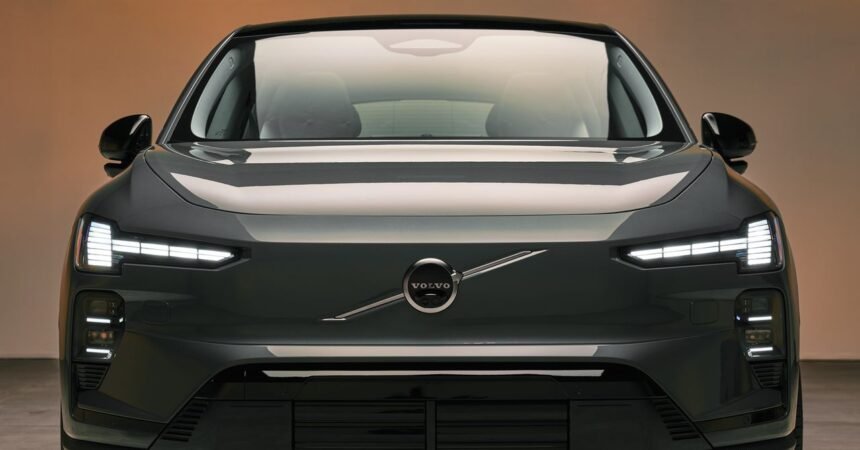
The Volvo EX60 targets buyers who want:
- Extremely long range
- Fast charging for frequent travel
- SUV practicality
- Modern EV technology in a more usable daily package
It is positioned as a future-ready electric SUV suitable for both first-time EV buyers and experienced EV users
The BMW i7 is aimed at customers who value:
- Flagship luxury
- Advanced in-cabin technology
- Executive rear-seat comfort
- Strong brand prestige
Its success in India (crossing 1,000 units sold) reflects growing demand for ultra-premium electric vehicles
Source: ssbcrack.com
Source: caronphone.com
Overall
Both vehicles serve very different audiences:
| Choose Volvo EX60 if | Choose BMW i7 if |
|---|---|
|
You want maximum electric driving range |
You want top-tier luxury and comfort |
|
SUV practicality matters to you |
Rear-seat experience is important |
|
Fast charging is a priority |
Budget is not a constraint |
|
You prefer a more balanced premium EV for everyday use |
You prefer a sedan over an SUV |
|
You’re upgrading from a mainstream or premium ICE/SUV segment |
You value flagship status and premium features |
The Volvo EX60 is a forward-looking, long-range electric SUV built for real-world usability, while the BMW i7 is a statement luxury EV designed for buyers who prioritise comfort, technology, and prestige. Your choice ultimately depends on whether you value SUV versatility and range (EX60) or executive luxury and refinement (i7).