Charging an electric vehicle is simple in practice, but charging it correctly makes a significant difference in battery longevity, safety, and your overall cost of ownership. As EV adoption increases across India, understanding how to optimize charging habits becomes essential not just for performance, but for long-term efficiency.
Whether you are a new EV owner or planning to switch, these practical insights are tailored for Indian road conditions, infrastructure, and climate realities.
Home Charging vs Public Charging: Know the Difference
Charging infrastructure in India is evolving, but home charging remains the backbone of EV ownership.
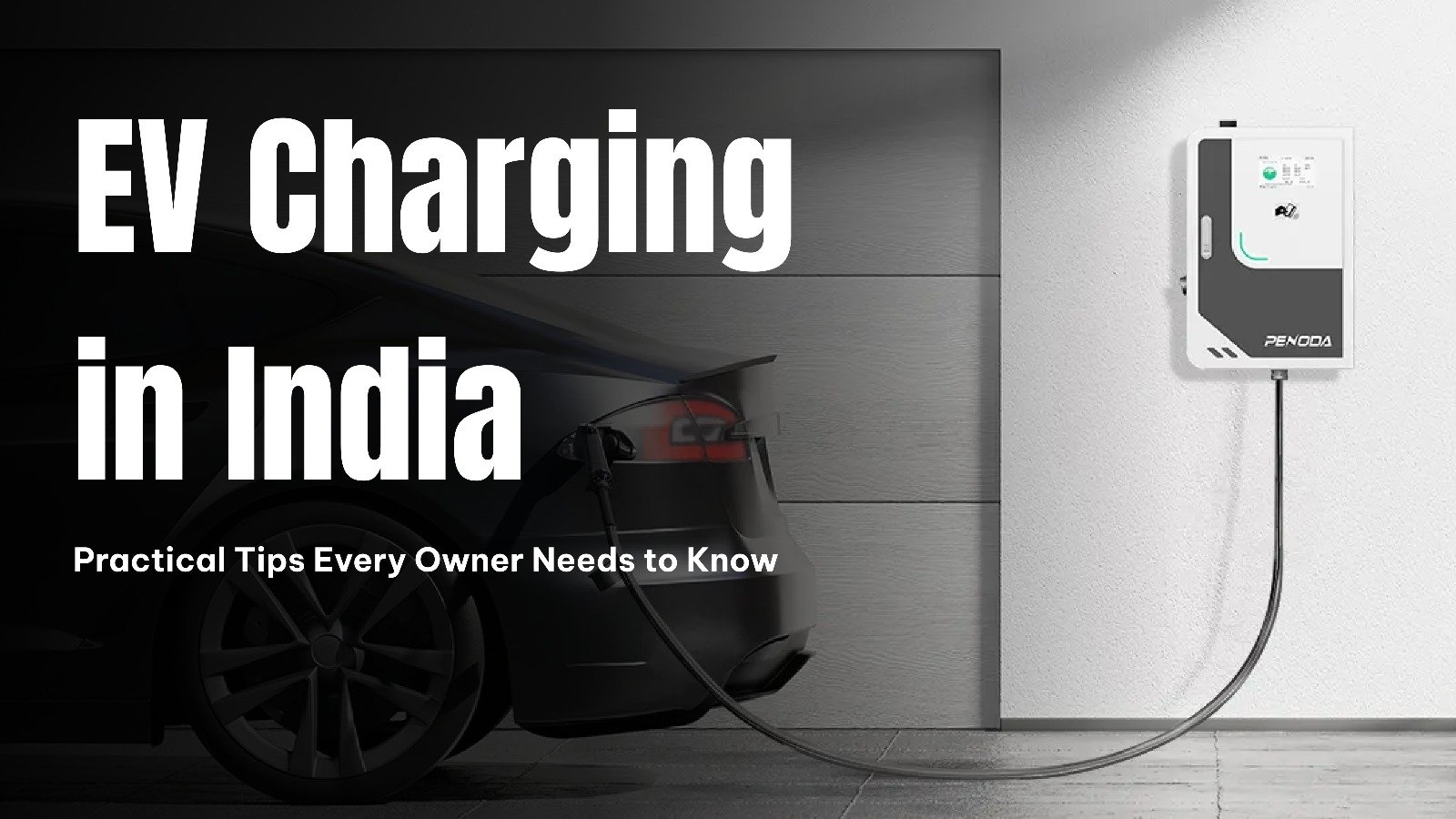
Home charging using a standard 15A plug (Level 1) typically adds around 10–15 km of range per hour. While slow, this method is sufficient for users with predictable daily driving patterns. For better efficiency, most EV owners install a dedicated wallbox charger (Level 2), usually ranging from 3.3 kW to 7.2 kW. This setup can deliver 30–100 km of range per hour depending on the vehicle and battery capacity.
For the majority of Indian users whose daily commute falls under 50–60 km overnight charging at home is both convenient and cost-effective. Electricity tariffs usually range between ₹7–10 per unit, making EVs significantly cheaper to run compared to petrol vehicles.
Public charging, especially DC fast charging (Level 3), plays a different role. These chargers can charge up to 80% in approximately 30–60 minutes, making them ideal for highway travel or emergency top-ups. However, they are more expensive, typically costing ₹18–25 per unit, and should not be relied upon as a primary charging method.
Insight:
Home charging = cost efficiency + battery health
Public fast charging = convenience + travel support
The 20–80% Rule: Why You Should Not Always Fully Charge
Most electric vehicles in India use lithium-ion batteries, which are sensitive to charging patterns.
Charging your EV from 0% to 100% regularly may seem logical, but it accelerates battery degradation over time. The optimal practice is to maintain your battery charge between 20% and 80% for daily usage.
Modern EVs allow users to set charging limits via mobile apps or dashboard settings. This feature helps automate healthy charging behavior without constant monitoring.
Charging up to 100% is recommended only before long journeys when maximum range is required. Similarly, letting the battery drop below 10–15% frequently should be avoided, as deep discharge cycles stress battery cells and reduce overall capacity.
Insight:
A controlled charging window significantly extends battery life and preserves long-term performance.
Charging Speed and Its Impact on Battery Health
Charging speed directly affects battery temperature and degradation. DC fast charging delivers high power directly to the battery, which generates more heat. While this is safe within manufacturer limits, frequent exposure to high temperatures accelerates chemical wear inside battery cells.
In contrast, AC charging (Level 1 and Level 2) is slower but much gentler on the battery. This makes it the preferred method for routine daily charging.
This does not mean fast charging should be avoided entirely. It is a critical feature for long-distance travel and urgent situations. However, relying on it daily can shorten the battery’s lifespan over time.
Best Practice:
Use AC charging for daily needs
Use DC fast charging occasionally
This balanced approach ensures both convenience and longevity.
Monsoon and Extreme Heat: Seasonal Charging Cautions
India’s diverse climate introduces unique challenges for EV charging, especially during monsoons and peak summers.
Most EVs sold in India come with IP65 or higher-rated charging systems, meaning they are protected against dust and water jets. Charging during rain is generally safe if you are using certified equipment and proper charging stations.
However, certain precautions are necessary:
Avoid charging in areas with standing water
Do not plug in during thunderstorms or lightning
Ensure connectors are clean and dry before use
During extreme summer conditions, especially when temperatures exceed 40°C, battery performance can be affected. High heat accelerates degradation and reduces efficiency.
To mitigate this:
Park your EV in shaded or covered areas
Avoid charging immediately after long drives in peak heat
Use scheduled charging to charge during cooler nighttime hours
Insight:
Temperature control is one of the most underrated factors in EV battery health. Common EV Charging Mistakes to Avoid
Many EV users unintentionally reduce battery life and safety by following incorrect charging practices.
One of the most critical mistakes is using third-party or uncertified charging equipment. These can interfere with the vehicle’s battery management system (BMS) and may even void your warranty. Always use BIS-certified chargers approved by the manufacturer.
Another common mistake is charging immediately after a high-speed drive. Batteries heat up during driving, and plugging in right away can increase thermal stress. Allow a cooling period of 15–20 minutes before charging.
Leaving your EV at 100% charge for extended periods without usage is also harmful. This keeps the battery under stress and accelerates degradation.
Additionally, avoid relying solely on manual monitoring. Most EV manufacturers provide mobile apps that allow you to:
Track charging status
Set charging limits
Receive alerts
Using these tools ensures better control and reduces the risk of overcharging or system errors.